

 English
 Espa?ol
Exhaust Gas Recirculation (EGR) Line
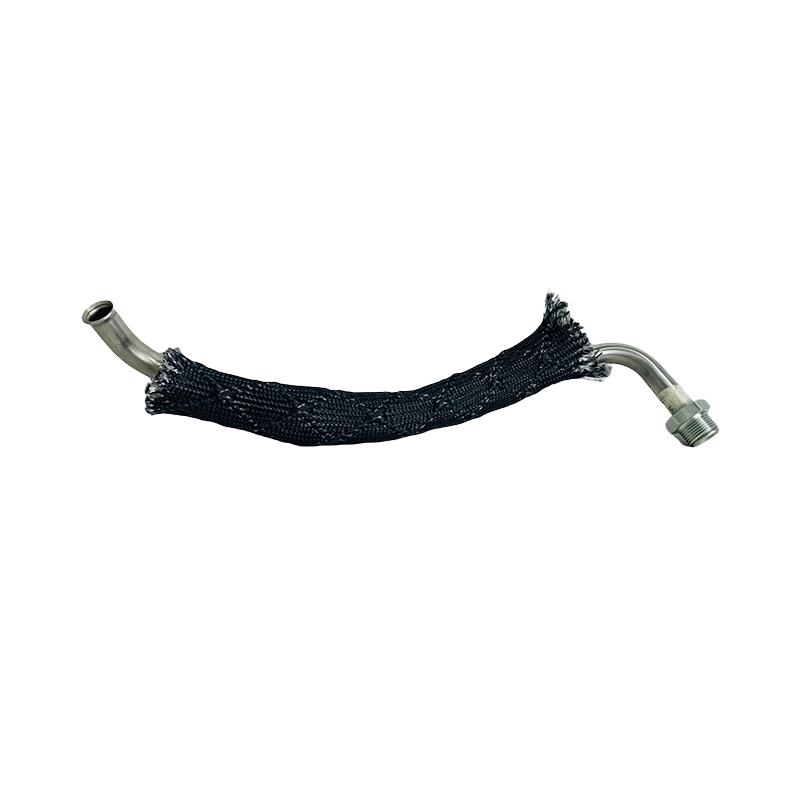
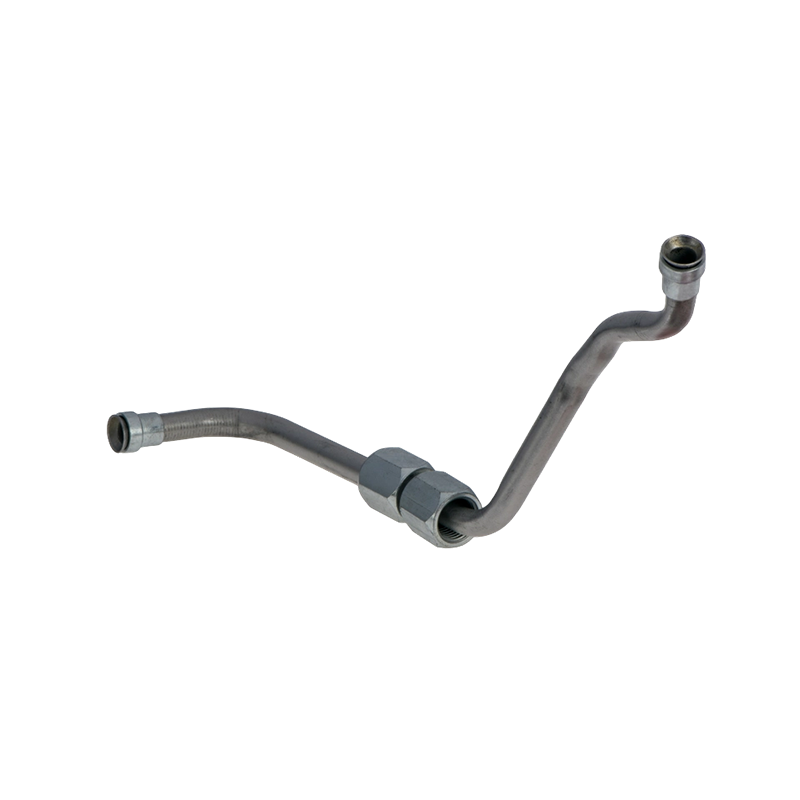
EGRLine is a critical piping system that cools a portion of the engine's exhaust gas before redirecting it to the intake manifold. This system significantly reduces combustion temperatures, lowers nitrogen oxide (NOx) emissions, and improves fuel economy. We are committed to providing highly reliable, low-emission EGRLine solutions to global automakers.
Product Features:
Short-Path Design: Minimizes the exhaust recirculation path, improving system response and reducing pressure drop.
Integrated Cooling: The laser-welded, high-efficiency EGR cooler offers excellent corrosion resistance. A bypass valve can be used to shut off the cooling function during cold starts, allowing for rapid warm-up.
Modular Piping: Standardized connectors and quick-release clips facilitate on-site assembly and subsequent maintenance. High-Strength Materials: Main piping is constructed of 304/316L stainless steel or high-strength alloys to withstand high-temperature and high-pressure operating conditions.
Smart Valve: Utilizes solenoid or linear valves, offering fast opening/closing times of 50-100ms, supporting precise ECU control.
System Integration: Multiple piping routing options are available to accommodate various engine layouts (inline, V-type), supporting dual-circuit designs for high-pressure (HP-EGR) and low-pressure (LP-EGR).
About JIATIAN
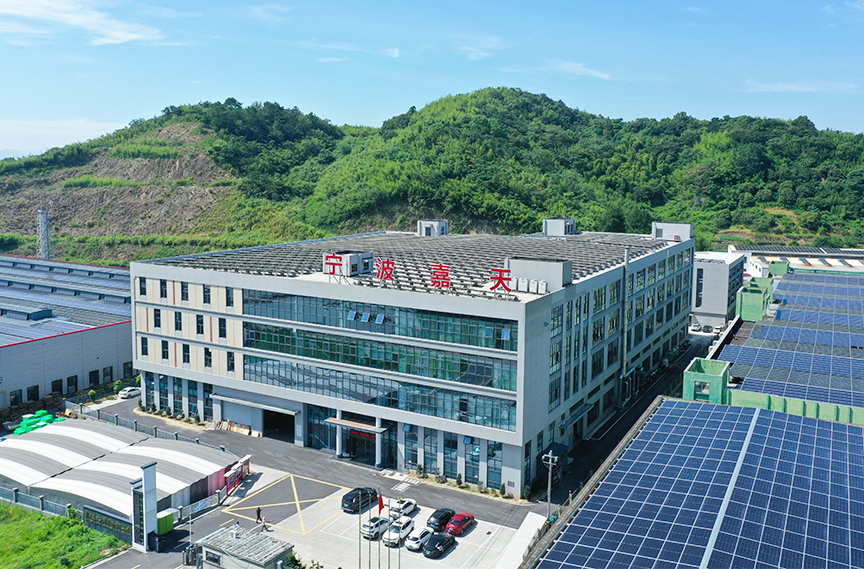
The company is located in Wanhou, Zhanqi Town, Yinzhou District, Ningbo City. It is 25 kilometers away from Ningbo Liushi Airport and 5 kilometers away from Ningbo Coastal Industrial Zone. The surrounding area is beautiful with convenient transportation. The company was established on the basis of the development of Ningbo Xingxin Metal Products Factory (established in 1995), and is a high-tech enterprise specializing in the production of automotive pipe fittings. The company's area is 32,000 square meters; the factory area is 26,000 square meters.
The main products of the company are: manufacturing and development of automotive corrugated pipes. Currently, there are 10 CNC fully automatic pipe bending machines, 2 large-scale brazing furnaces assembly lines, 10 various specifications hydraulic internal forming machines (with the maximum processing length of 1.5 meters and diameters ranging from ¢10 to ¢80), 1 800T hydraulic water expansion machine, 4 fully automatic laser welders, 4 sets of welding robots, 8 large-scale machining centers, 6 Panasonic arc welding machines, and over 30 various supporting pipe forming machines. The company has its own R&D and processing centers. The water expansion corrugated pipe equipment and technology of the company are currently at the industry leading level. A comprehensive laboratory has been established.
The company is committed to creating the world's leading automotive bellows with outstanding quality and innovative technology, ensuring that each product can perform well in various environments and promoting the progress of the industry.
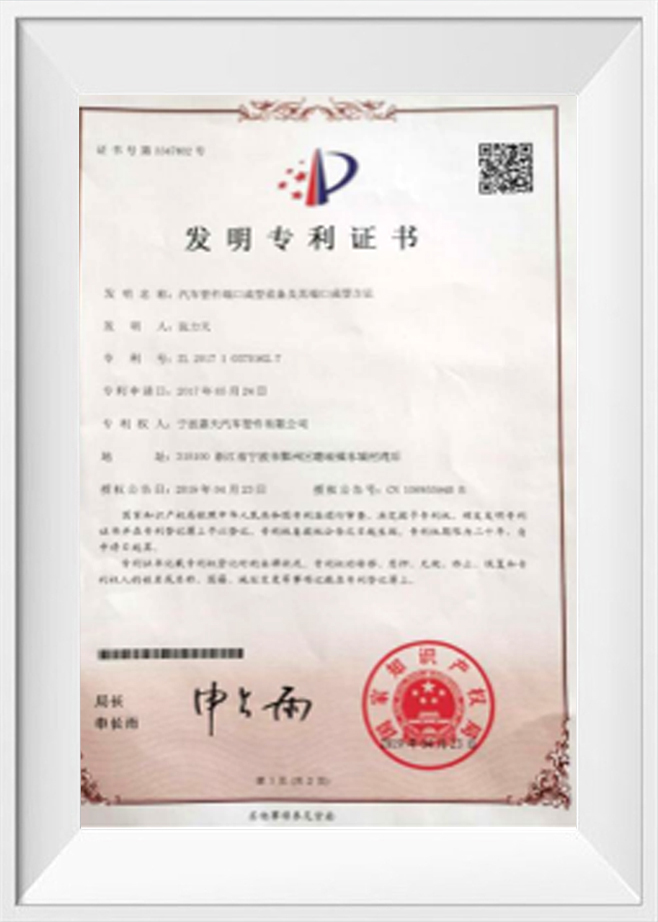
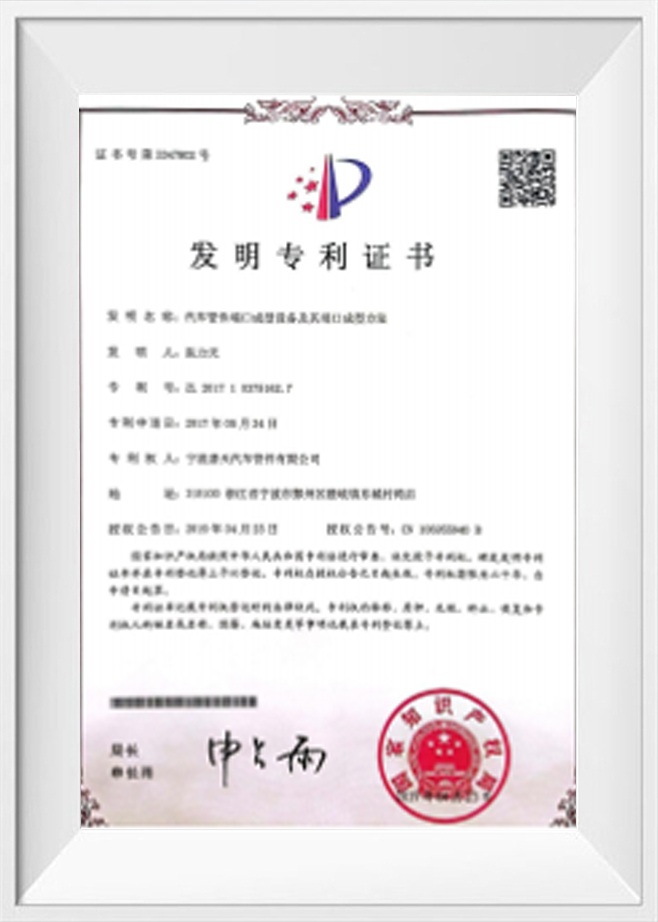
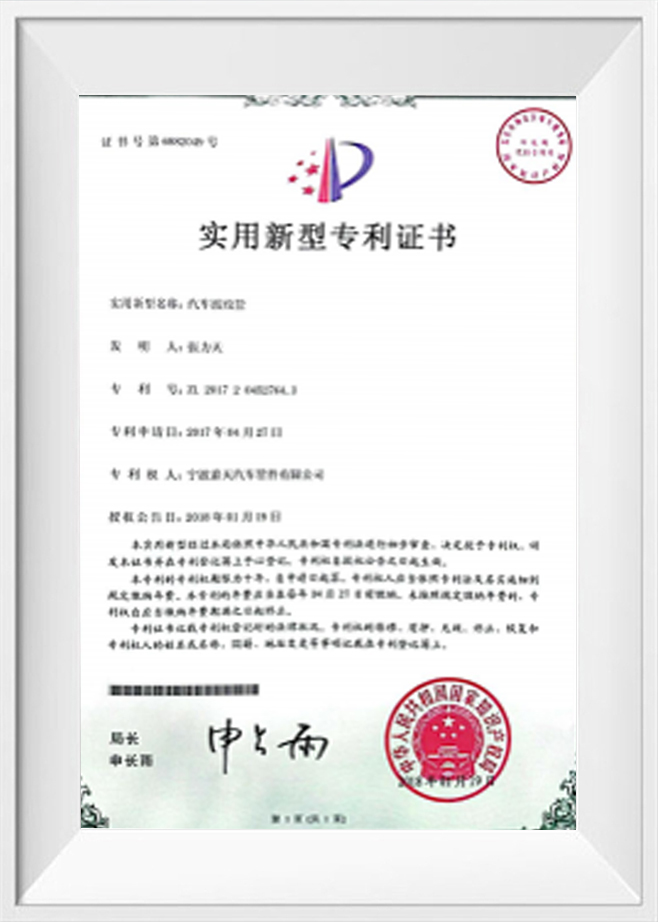
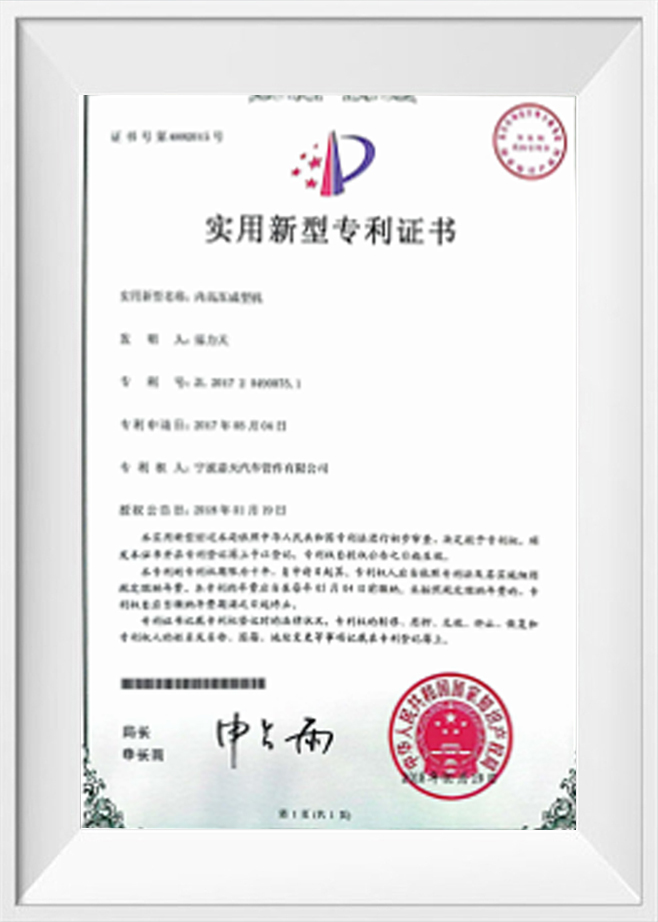
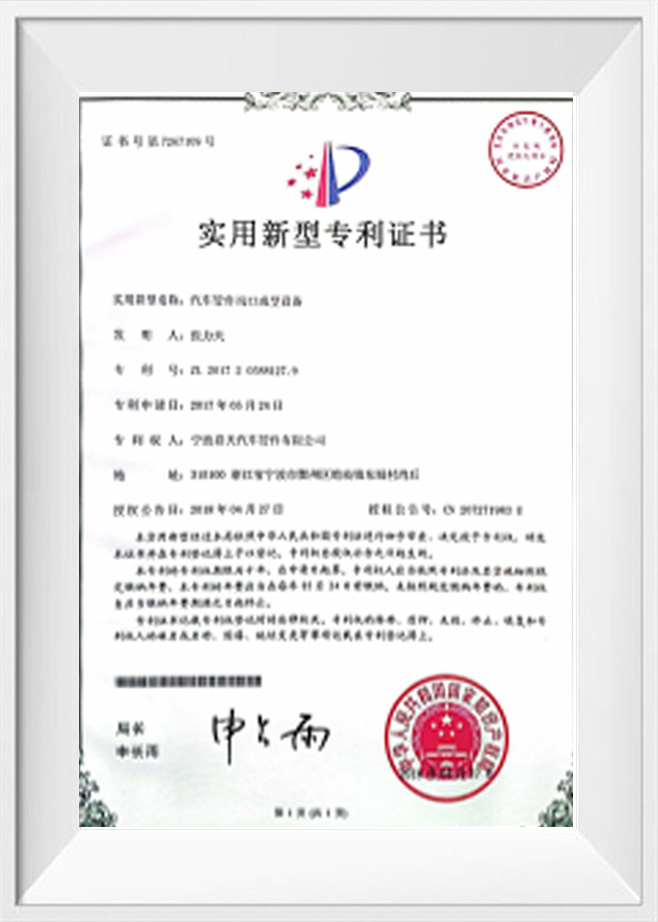
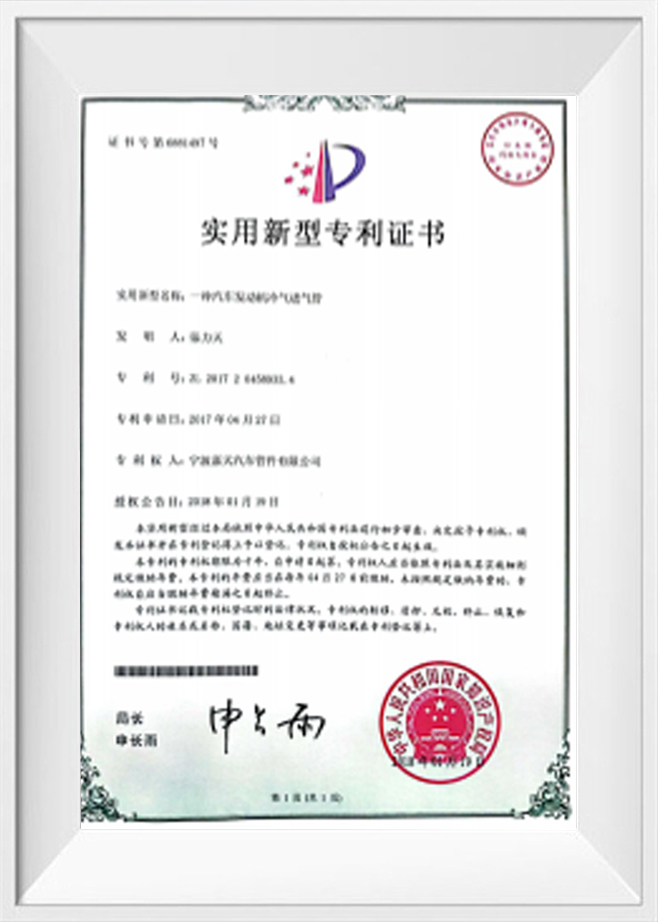
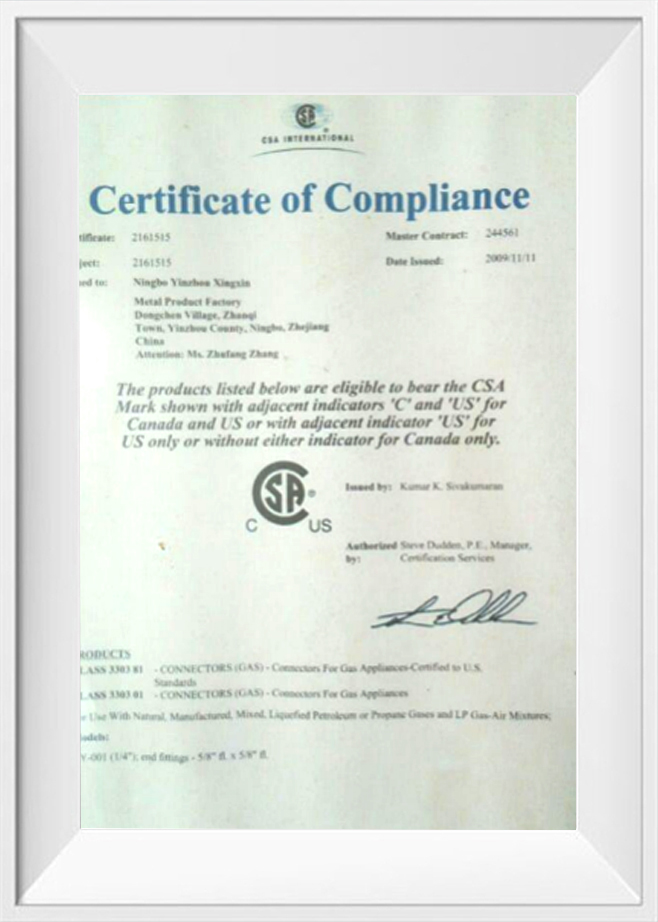
Honors and Certificates
News and Information
-
How Does a Faulty EGR Pipe Affect My Car's Performance?It’s a scenario many drivers have experienced. You’re driving along, and suddenly, your trusted vehicle feels different. Maybe the check engine light flickers on, or you notice a rough idle when you’r...view More
Dec 08, 2025 ? Industry News
-
A clever solution to the truck's exhaust brake problemAbstract: Frequent use of the exhaust brake makes it difficult to damage the headstock. This is a common problem for many truck drivers. I consulted with experienced drivers, and some believe that the...view More
Oct 27, 2025 ? Industry News
-
The exhaust pipe is black, what's going on?Summary: I believe many car enthusiasts have experienced this: Why is the exhaust pipe white? What should I do if it's white? Is it a sign of a car problem? Recently […] I believe many car enthusiasts...view More
Oct 27, 2025 ? Industry News
-
Car modification knowledge: the benefits of changing the exhaust manifoldAbstract: The exhaust manifold is a key component that collects exhaust gases from all engine cylinders and discharges them out of the vehicle. The efficiency of the entire exhaust system depends on i...view More
Oct 27, 2025 ? Industry News
-
Introduction to Automobile Oil Return PipeAbstract: The function of a vehicle's oil return line: It allows excess oil to return to the tank, reducing fuel consumption. Not all vehicles have an oil return line. Return Line Filter […] The funct...view More
Oct 27, 2025 ? Industry News
- EGR Piping Systems: As a core emission-control component, EGR piping redirects a controlled portion of cooled exhaust gas back into the engine’s intake manifold. This process lowers combustion chamber temperatures, reducing nitrogen oxide (NO?) emissions by up to 35% (per industry testing data) and improving fuel efficiency by 5-8% for diesel engines. Without reliable EGR piping, engines cannot meet global emission standards (e.g., Euro 6, EPA Tier 3, China VI).
- Fuel Injection Piping: Responsible for delivering high-pressure fuel from the fuel rail to injectors, this piping ensures precise fuel metering and atomization. Its integrity directly affects engine power output, idle stability, and fuel economy – a single leak or pressure drop can cause a 15% reduction in engine efficiency and increased hydrocarbon (HC) emissions.
| System Type | Key Core Functions |
|---|---|
| EGR Piping | 1. Cool and recirculate exhaust gas to suppress NO? formation 2. Enable rapid cold-start warmup via bypass valve control 3. Support dual HP/LP-EGR loop integration for flexible emission management 4. Maintain stable pressure with minimal pressure drop (≤2kPa at full load) |
| Fuel Injection Piping | 1. Deliver fuel at pressures up to 2,500 bar (common rail systems) 2. Ensure uniform fuel distribution across cylinders 3. Resist pulsation and vibration to prevent fatigue failure 4. Comply with strict leakage and durability standards |
- Temperature Extremes: EGR piping endures continuous exposure to exhaust gas temperatures of 600-850℃, while fuel injection piping operates in -40℃ (cold start) to 150℃ (engine bay) temperature ranges.
- Pressure & Vibration: Fuel injection piping sustains cyclic high pressure (up to 2,500 bar), and EGR piping handles exhaust backpressure of 1-3 bar, combined with engine vibration (10-2,000 Hz) that causes fatigue over time.
- Corrosive Media: EGR gas contains acidic condensates (e.g., sulfuric acid), and fuel piping contacts corrosive additives (e.g., ethanol blends), leading to material degradation without proper protection.
- Space Constraints: Engine bays have limited installation space, requiring piping to feature complex bends (achieved via Jiatian’s CNC bending machines) and compact modular designs.
Material Innovations
| Material Type | Application Scenario | Key Advantages |
|---|---|---|
| 304/316L Stainless Steel | EGR Piping Main Body | High corrosion resistance, temperature resistance up to 900℃, low cost |
| High-Strength Nickel Alloys | EGR Cooler Headers | Withstands 850℃+ temperatures and acidic exhaust condensates |
| Titanium Alloys | High-End Fuel Injection Piping | 40% lighter than steel, high pressure resistance (up to 3,000 bar) |
| PTFE-Coated Steel | Fuel Piping for Alternative Fuels | Chemical resistance to ethanol/hydrogen, low friction for reduced wear |
FAQs:
Q1: What are the differences in adaptability between HP-EGR and LP-EGR systems under different operating conditions?
Q2: What is the correspondence between the pressure rating of fuel injection piping and the pressure of the engine fuel system?
Q3: What media mainly cause EGR piping corrosion, and what chain effects do they have on the engine?
Q4: What are the main approaches to automotive piping lightweighting, and what technical bottlenecks are faced?
Q5: What new requirements will the popularization of alternative fuels (such as hydrogen and methanol) bring to fuel injection and EGR piping?
Q6: How to identify early failures of EGR piping and fuel injection piping?

 Contact Us
+86-138 0586 3066
+86-574 8840 6311
 Products
 Send An E-mail
 Mobile
Copyright ?NINGBO JIATIAN AUTOMOBILE PIPE CO.,LTD. All Rights Reserved.
